

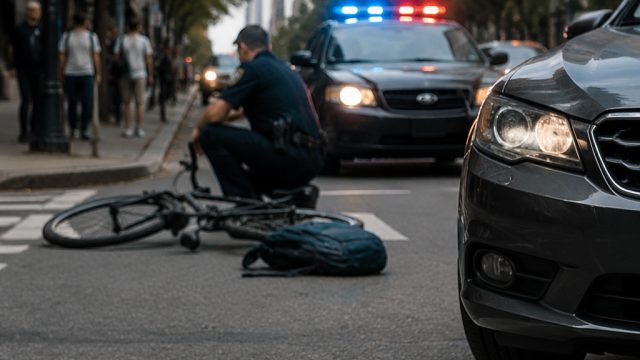
In recent years, the alarming trend of increasing pedestrian fatalities has captured the attention of urban planners, safety advocates, and the general public. As vehicles grow larger and more powerful, the risks associated with walking in our cities have escalated. For instance, cities across the globe are witnessing a surge in pedestrian deaths, raising the question: what can be done to enhance safety and protect vulnerable road users?
The statistics surrounding pedestrian deaths are compelling. According to recent studies, pedestrian fatalities have surged by over 30% in the last decade. This increase correlates with the rise in vehicle size and weight, making it even more dangerous for pedestrians during accidents. While drivers benefit from advanced safety technologies, these features often do little to protect those outside their vehicles.
Urban design plays a pivotal role in ensuring pedestrian safety. Wider roads and higher speed limits can contribute to a hostile environment for walkers. City planners are now being urged to rethink their designs to create more pedestrian-friendly spaces. This includes implementing safer crosswalks, reducing speed limits, and creating protected bike lanes.
In response to the ongoing crisis, several innovative solutions are being explored:
Technology is also set to play a crucial role in improving pedestrian safety. From smart traffic signals that adapt to real-time traffic conditions to apps that help pedestrians navigate busy streets safely, technology can offer innovative solutions. Additionally, vehicle manufacturers are exploring advanced driver-assistance systems (ADAS) designed to prevent accidents before they happen.
Several cities have taken significant steps to enhance pedestrian safety:
The urgency to address pedestrian safety has never been greater. With an increase in urban population and more vehicles on the road, the potential for accidents rises exponentially. Moreover, the push for sustainable transportation methods, such as walking and cycling, makes it imperative to create safer environments for these modes of transport. Addressing the challenge of pedestrian safety is not just a public health issue; it is a moral obligation to protect the most vulnerable in our communities.
As cities grapple with rising pedestrian fatality rates, it is essential for policymakers, urban planners, and citizens to collaborate on solutions. Advocating for safer streets is a shared responsibility that can lead to lasting change. Whether through community activism, voting for safety-focused initiatives, or simply being mindful of pedestrian rights, every action counts. It’s time to prioritize the safety of pedestrians and make our streets accessible and safe for all.
In conclusion, the rising tide of pedestrian deaths is a clarion call for immediate action. By understanding the factors at play and committing to innovative solutions, we can create safer streets that protect everyone. As we move forward, let us work together to ensure that safety is at the forefront of urban planning and community engagement.

Revolutionizing Global Trade:
Discover how technology is rev...(84 ) viewsTime:2026-07-10
Wholesale Trade in a Post-Pand
Gain insights into the trends ...(10 ) viewsTime:2026-07-10
Spain and Belgium Clash in Wor
Get insights on the Spain vs B...(65 ) viewsTime:2026-07-10
Leveraging E-commerce for Expo
Explore how e-commerce can dri...(141 ) viewsTime:2026-07-10