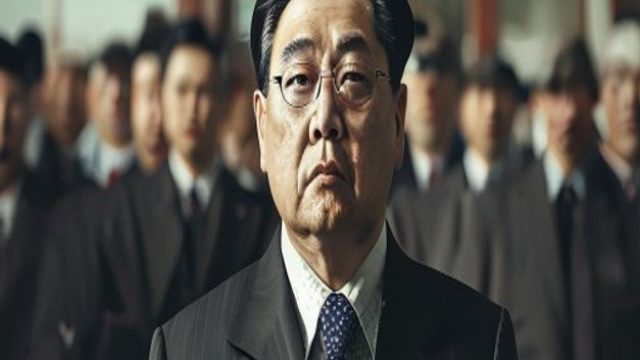
In a significant development for South Korea's political landscape, the leader of the Shincheonji Church has been arrested, sparking widespread discussions about the intersection of religion and politics. This event raises critical questions about the influence of religious organizations in the governance of the nation.
According to reports, the arrest of the Shincheonji Church leader comes after allegations of meddling in political affairs. This organization, known for its controversial beliefs and large membership, has faced scrutiny for its role in public life. As the South Korean government grapples with the challenges of maintaining a secular state, the actions of religious leaders like this one become increasingly significant.
The Shincheonji Church, founded by Lee Man-hee, has often been at the center of controversies, particularly during the COVID-19 pandemic when it was linked to a major outbreak. This latest incident highlights ongoing tensions between traditional religious practices and modern political realities.
As South Korea navigates its complex political landscape, the arrest of the Shincheonji leader poses serious questions about the relationships between religious organizations and political power. Analysts suggest that the government's actions may be a response to growing concerns about the church's influence, especially in light of recent elections.
The implications of this arrest are profound. If the government is seen as targeting religious groups unfairly, it could lead to backlash and further polarization within society. Conversely, if the arrest is viewed as a necessary step to uphold secular principles, it may bolster the government's standing with voters who prioritize the separation of church and state.
The public reaction to the arrest has been mixed. While some citizens support the government's decision as a necessary move to curb undue influence from religious organizations, others criticize it as an infringement on religious freedom.
As this story develops, the legal proceedings surrounding the church leader will be closely watched. Many are wondering whether this will lead to broader reforms regarding the role of religious organizations in politics.
The arrest of the Shincheonji Church leader is not just a legal matter; it represents a pivotal point in the ongoing dialogue about the influence of religion in South Korea. As the government works to define its stance on such organizations, citizens and leaders alike must navigate the delicate balance between faith and governance. This incident could very well be a harbinger of significant changes in how religious groups operate within the political sphere in the future.

Emerging Trends in Global Manu
Uncover the emerging trends in...(32 ) viewsTime:2026-07-16
Shifts in Global Sentiment: Ch
A recent survey reveals China‘...(12 ) viewsTime:2026-07-16
New Registration Process for P
Discover the new application p...(152 ) viewsTime:2026-07-16
Navigating the Future of B2B T
Explore the evolving landscape...(164 ) viewsTime:2026-07-15