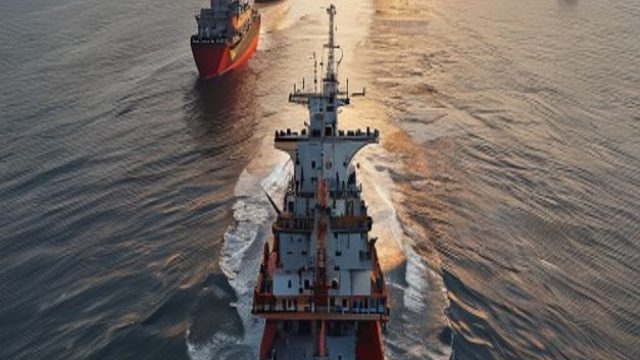
The Strait of Hormuz has become a focal point for global energy trade, with approximately 20% of the world's oil passing through this narrow waterway. Despite ongoing threats from Iran's Revolutionary Guard, oil tankers continue to navigate these waters, underscoring the strategic importance of this region. The implications of these activities are profound, affecting not only regional stability but also global energy prices and supply chains.
In recent months, Iran's Revolutionary Guard has intensified its rhetoric against foreign vessels crossing through the Strait. These threats are perceived as part of broader geopolitical tensions, especially in the context of U.S.-Iran relations and the ongoing fallout from economic sanctions placed upon Tehran. Such threats have raised concerns among shipping companies regarding the safety of their vessels, prompting some to reconsider their routes.
The continued navigation of oil tankers through the Strait of Hormuz, despite threats, carries significant implications for global oil prices. Any disruption in this crucial shipping lane could lead to increased volatility in oil markets, as traders react to news of potential conflicts. For instance, recent spikes in oil prices have often correlated with heightened military activity in the region.
Historically, the Strait has been the scene of various confrontations, ranging from outright military engagements to skirmishes involving small boats. These incidents have often led to temporary spikes in oil prices, showcasing the vulnerability of global energy supplies to regional conflicts. As tensions escalate, analysts are keenly observing how these dynamics might play out in the coming months.
The ongoing situation in the Strait of Hormuz raises critical questions about the future of maritime trade in the region. While shipping companies are adapting to current threats, the long-term viability of routes through the Strait remains uncertain. Stakeholders must weigh the risks associated with regional tensions against the necessity of transporting vital resources across these waters.
The ongoing navigation of oil tankers through the Strait of Hormuz amid threats from Iran underscores the delicate balance of global energy supply and geopolitical stability. As the situation continues to evolve, stakeholders across the shipping and energy sectors will need to remain vigilant and adaptive. The response to these threats will not only shape the future of oil transportation but could also reverberate across global markets, affecting consumers and economies worldwide. Keeping abreast of developments in this critical region is essential for understanding the broader implications for energy security and international relations.

How to Optimize Your Supply Ch
Learn strategies for optimizin...(46 ) viewsTime:2026-07-10
Wholesale Strategies for Manuf
Learn effective wholesale stra...(186 ) viewsTime:2026-07-10
Trends Shaping the Future of B
Stay ahead of the curve with e...(64 ) viewsTime:2026-07-10
Sustainable Practices in Whole
Explore how sustainable practi...(86 ) viewsTime:2026-07-10