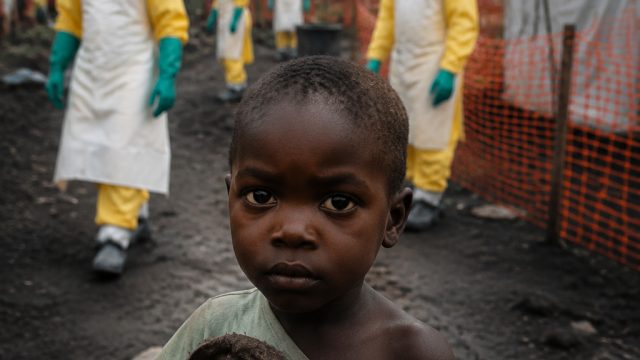
The ongoing Ebola outbreak in the Eastern Democratic Republic of Congo (DRC) has reached a critical point, with reported cases exceeding 1,000 in just the first month. As the World Health Organization (WHO) highlights this surge as the highest initial month for any past outbreak, UNICEF has issued dire warnings about the impact on vulnerable populations, particularly children.
The current outbreak, driven by the Bundibugyo virus, has raised significant concerns among health officials and humanitarian organizations. The DRC has seen a rapid escalation of cases, prompting immediate action from global health bodies. The WHO reported that the number of cases and deaths linked to this outbreak is alarmingly high, with the disease spreading quickly in densely populated areas.
As health crises intensify, the most vulnerable are often the hardest hit. UNICEF's latest reports indicate that nearly 3 million children and adolescents in the DRC face escalating risks due to the ongoing Ebola epidemic. This situation demands urgent attention, as the health and safety of these young individuals are at stake.
The international community's response to the crisis has been met with both support and challenges. While organizations like UNICEF and WHO mobilize resources and personnel to combat the outbreak, logistical hurdles hinder effective intervention. The ongoing conflict and instability in the region complicate efforts to provide medical assistance and education to affected communities.
Engaging local communities is vital in the fight against Ebola. Health officials emphasize the need for public education to ensure that individuals understand the nature of the disease, symptoms to watch for, and the importance of seeking medical help early. Community-led initiatives can help dispel myths and reduce stigma, encouraging individuals to come forward for testing and treatment.
The current Ebola outbreak in Eastern DRC is not just a health crisis; it is a humanitarian emergency impacting millions of children. As cases continue to rise, the urgency for global awareness and action becomes ever more critical. Governments, health organizations, and citizens must unite to combat this outbreak, safeguard the health of children, and ensure that support reaches the most vulnerable. The world must act now to prevent further loss and suffering in this fragile region.

Wholesale Trends for 2024: Emb
Discover the wholesale trends ...(39 ) viewsTime:2026-07-13
The Future of Global Trade: In
Explore innovations in export ...(196 ) viewsTime:2026-07-13
How to Identify and Collaborat
Learn effective strategies to ...(167 ) viewsTime:2026-07-13
Maximizing Profit Margins in W
Unlock the secrets to maximizi...(175 ) viewsTime:2026-07-13