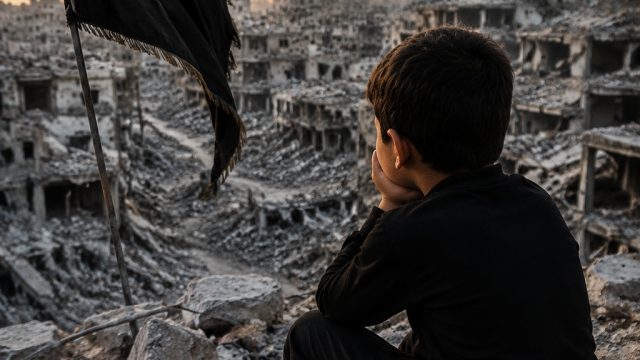
This year’s observance of Ashoura holds profound significance for Shiite Muslims, as they navigate a world fraught with conflict and uncertainty. Observing this sacred day, which commemorates the martyrdom of Imam Hussein, the grandson of Prophet Muhammad, takes on a new layer of meaning in light of escalating tensions in both Iran and Lebanon.
Ashoura, falling on the 10th day of Muharram in the Islamic calendar, is traditionally marked by mourning rituals, prayers, and public displays of grief among Shiite communities. This year, however, the observance comes against a backdrop of rising sectarian tensions and geopolitical strife. The ongoing conflicts in Iran, marked by widespread protests and governmental crackdowns, and the turmoil in Lebanon, where economic hardship exacerbates social rifts, highlight the struggles faced by Shiite Muslims today.
Despite the challenges, communities remain resilient. Local mosques and community centers become focal points for gatherings, offering both spiritual solace and social support. Many participants in Ashoura this year underline the importance of unity and strength. The shared experience of mourning for Imam Hussein transcends individual suffering, uniting worshippers in their grief and hope for a better future.
The significance of Ashoura extends beyond religious observance; it also serves as a platform for addressing pressing social issues. This year, leaders within the Shiite community are leveraging the observance to raise awareness about human rights concerns and the need for political reform in Iran. In Lebanon, where the economic crisis continues to deepen, the rituals of Ashoura provide a moment for reflection about the past and contemplation of the future.
A remarkable theme that surfaces during Ashoura is the connection between the historical narrative of oppression faced by Imam Hussein and the contemporary struggles of communities today. Many speakers at this year’s events emphasize the parallels between past injustices and those experienced in current geopolitical contexts, urging attendees to remain vigilant in their fight against tyranny and oppression.
Interestingly, the observance of Ashoura is not confined to the Middle East. Shiite communities worldwide gather to commemorate this day, showcasing a global tapestry of cultural expressions and traditions. From elaborate mourning rituals in Iraq to solemn prayers in the streets of London, the echoes of Ashoura resonate deeply among the diaspora, reinforcing shared identities and collective memories.
The global observance of Ashoura this year has prompted expressions of solidarity across borders. Communities in various countries are uniting not only to honor Imam Hussein but also to advocate for peace and justice in their respective regions. This international dimension underscores the shared values of compassion, resilience, and the unwavering commitment to social justice.
As Shiite Muslims reflect on the significance of Ashoura amidst the turmoil in Iran and Lebanon, one thing is clear: the spirit of Imam Hussein continues to inspire hope and resilience. The teachings of Ashoura remind adherents of the importance of standing up against oppression, fostering community bonds, and striving for justice. In these challenging times, the lessons from the past can serve as a guiding light toward a more compassionate future.
The observance of Ashoura thus offers an opportunity not just for mourning, but for connection, solidarity, and renewed commitment to the values that Imam Hussein stood for. In a world that often feels divided, the collective memory of Ashoura can serve as a powerful reminder of the strength found in unity and the enduring quest for peace.

The Role of Sustainability in
Explore the essential role of ...(174 ) viewsTime:2026-07-12
Navigating Tariffs: Strategies
Learn effective strategies for...(133 ) viewsTime:2026-07-12
How Manufacturers Can Leverage
Learn how manufacturers can us...(136 ) viewsTime:2026-07-12
The Role of Manufacturers in S
Learn about the crucial role m...(200 ) viewsTime:2026-07-12