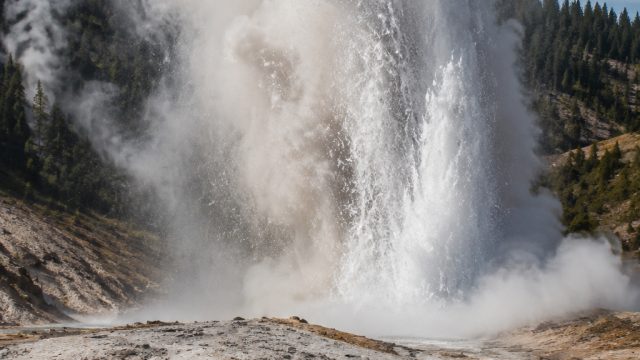
In a startling reminder of nature's unpredictable power, Yellowstone National Park has experienced another hydrothermal explosion, this time at the famed Biscuit Basin. The event, which occurred recently, has captured the attention of both scientists and outdoor enthusiasts, raising questions about the ongoing geothermal activity in one of the United States' most iconic national parks.
Witnesses reported seeing a significant eruption of steam and water that formed a large crater approximately 20 feet in diameter. This incident marks the latest in a series of explosive hydrothermal events in the region, which are typically characterized by the sudden release of superheated water and steam from underground reservoirs.
The cause of hydrothermal explosions can often be traced back to geological processes deep within the Earth. In Yellowstone, the interaction between volcanic activity and geothermal water creates conditions ripe for such eruptions. Recent geological surveys indicate that the region is experiencing increased temperatures and pressure in its underground water systems, leading to these explosive events.
Yellowstone is no stranger to hydrothermal activity. Over the years, the park has seen several such incidents, with some being more impactful than others. For instance, the 2016 explosion in the same area was a reminder of how quickly the landscape can change and the importance of monitoring geothermal systems.
For park visitors, safety is always a priority. Following the recent eruption, park officials have issued warnings about venturing too close to active geothermal areas. The park's geothermal features, while stunning, can be hazardous. As the situation evolves, visitors are encouraged to stay updated with the park's official communications.
The ongoing geothermal activity in Yellowstone is particularly noteworthy in light of recent climate trends and seismic activity in the region. Scientists believe that increased monitoring of such events is crucial for understanding not just the local ecosystem but also broader geological phenomena. As climate change alters weather patterns and impacts geological stability, keeping an eye on Yellowstone’s geothermal features can provide insights into how our planet is changing.
This explosion serves as a reminder of the importance of geological research and monitoring. The U.S. Geological Survey (USGS) continues to emphasize the need for comprehensive studies of hydrothermal systems, which could serve as indicators of wider environmental shifts. Additionally, understanding these systems can help in managing tourism and protecting natural resources effectively.
The latest hydrothermal explosion at Yellowstone National Park is more than just a stunning natural event; it underscores the importance of ongoing research and monitoring of geothermal activity. As visitors are drawn to the park for its natural beauty, it’s essential to respect the power of nature and stay informed. With climate change and geological activity at the forefront of environmental discussions, Yellowstone remains a critical site for understanding the Earth’s natural systems.

Export Compliance: Navigating
A comprehensive guide to navig...(198 ) viewsTime:2026-07-13
Navigating the Complexities of
Explore the complexities and o...(118 ) viewsTime:2026-07-13
Wholesale Market Dynamics: The
Delve into the dynamics of the...(60 ) viewsTime:2026-07-13
How B2B Manufacturers Can Leve
Explore how B2B manufacturers ...(21 ) viewsTime:2026-07-13