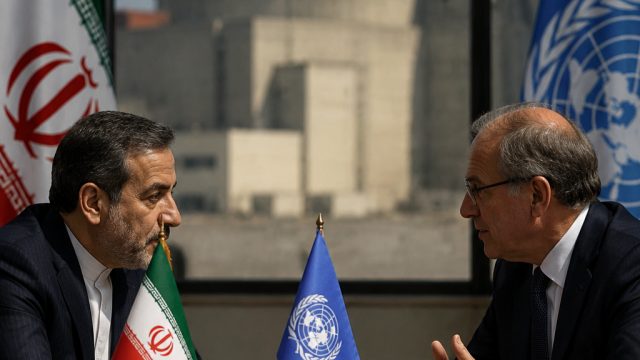
The intricate negotiations surrounding Iran's nuclear activities remain a focal point of international diplomacy. As global powers engage in talks aimed at reaching a comprehensive agreement, the question of UN inspections looms large. Recently, the head of the International Atomic Energy Agency (IAEA) stated that inspectors are prepared to visit Iranian sites, contingent upon the completion of a final agreement with Tehran.
IAEA Director General Rafael Grossi expressed optimism regarding the potential for inspections, emphasizing the importance of thorough oversight in the context of Iran's nuclear program. However, Iranian officials have made it clear that these inspections can only proceed once a solid agreement has been reached. This condition underscores the complexities involved in reinstating trust between Iran and the international community.
The ongoing discussions are not merely bureaucratic formalities; they hold significant implications for regional and global stability. The potential for military escalation adds urgency to the negotiations. Should an agreement fail to materialize, concerns about nuclear proliferation could rise sharply, prompting increased tensions in an already volatile Middle East.
Major players such as the United States, Russia, and European nations are deeply invested in the outcome of these talks. Their involvement is crucial in shaping the parameters of the agreement and ensuring that it addresses the core issues at play:
The urgency of reaching an agreement grows with each passing day. The geopolitical landscape is increasingly fraught with challenges, and the potential for miscalculation is high. Analysts argue that a failure to secure a deal could embolden not only Iran but also other nations contemplating nuclear armament as a means of deterrence.
Domestic opinions within Iran about the negotiations also warrant attention. Public sentiment plays a crucial role in shaping the government's stance on international engagement. The Iranian populace is weary of the economic hardships stemming from sanctions and may push for a more conciliatory approach if it promises relief and stability.
Efforts to engage the Iranian public in the dialogue may strengthen the government's resolve to pursue a deal. Here are ways engagement can be fostered:
The path forward remains uncertain, and the delicate balance between national interest and international obligation will continue to shape the discourse surrounding Iran's nuclear ambitions. As both sides prepare for what could be a turning point in their relationship, the world watches closely. The stakes are undeniably high, and the resolution of this complex issue could define not only Iran's future but also the broader dynamics of global security.

Leveraging Technology to Enhan
Explore how technology is tran...(25 ) viewsTime:2026-07-10
Japan Braces for Typhoon Bavi:
As Typhoon Bavi approaches, Ja...(175 ) viewsTime:2026-07-10
James Corden Brings Team Toget
Discover how James Corden‘s te...(37 ) viewsTime:2026-07-10
The Impact of Global Events on
Explore how global events affe...(188 ) viewsTime:2026-07-10 Discover the details behind th...