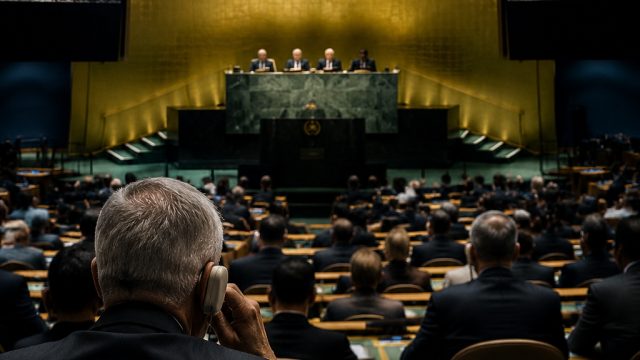
In the wake of escalating international conflicts, the United Nations has rolled out a critical evacuation plan for the Strait of Hormuz, highlighting the urgent need for diplomatic intervention amid rising tensions in the region. As humanitarian crises continue to unfold in places such as Gaza and Lebanon, the world looks to the UN for robust actions and solutions.
The United Nations has initiated a new evacuation plan aimed at ensuring the safety of civilians in the Strait of Hormuz—a crucial maritime route for oil shipments. As geopolitical tensions simmer, this move comes at a time when the safety of civilians is under severe threat. The unrelenting geopolitical complexities in the region have prompted the UN to act swiftly, marking this evacuation as an essential component of their broader strategy to mitigate conflict and protect vulnerable populations.
The Strait of Hormuz serves as a vital chokepoint for global oil transportation, with approximately 20% of the world's oil passing through its waters. The escalation of military presence and rhetoric among regional powers has fueled fears of potential confrontations that could have dire global economic implications.
In another heartbreaking development, a UNICEF youth ambassador has tragically lost their life in the ongoing conflict in Gaza. This incident not only underscores the human cost of war but also highlights the vulnerabilities faced by young advocates in conflict zones. The death of this youth champion has sparked outrage and calls for renewed humanitarian efforts.
Youth advocates play a pivotal role in fostering peace and providing relief to affected communities. Their voices are often the most influential in drawing attention to the plight of children and families caught in conflict. As the situation in Gaza deteriorates, the loss of such a champion is a stark reminder of the need for continued support and protection for youth leaders.
While Lebanon's ceasefire is reported to be 'largely holding,' the situation remains precarious. The delicate truce is essential for restoring stability in a nation that has seen its share of conflict and turmoil. The UN has been active in facilitating dialogue between conflicting parties, working tirelessly to maintain this fragile peace.
The UN's involvement in Lebanon is crucial for mediating relations and ensuring that the ceasefire holds. Peacekeeping missions not only aim to reduce violence but also focus on rebuilding trust and fostering a path toward reconciliation.
The UN's initiatives amidst these crises demonstrate the importance of international cooperation in addressing urgent humanitarian needs. The crises in the Strait of Hormuz, Gaza, and Lebanon require a unified global response to ensure the safety and well-being of civilians. As the situation develops, it remains critical for all stakeholders to engage in meaningful dialogue and find sustainable solutions.
Individuals and organizations can contribute to humanitarian efforts through various means:
The current global landscape is fraught with tension, making the UN's responses to these conflicts more critical than ever. As the situation in the Strait of Hormuz, Gaza, and Lebanon unfolds, the international community must remain vigilant and supportive of efforts aimed at restoring peace and ensuring humanitarian relief. The actions taken today will shape the future landscape of international relations and global stability.

The Future of Exporting: Trend
Explore the trends that are sh...(78 ) viewsTime:2026-07-11
The Role of Suppliers in Enhan
Explore the critical role supp...(114 ) viewsTime:2026-07-11
Exporting 101: Key Considerati
Learn the key considerations f...(47 ) viewsTime:2026-07-11
Sustainability in Global Trade
Understand the importance of s...(109 ) viewsTime:2026-07-11