

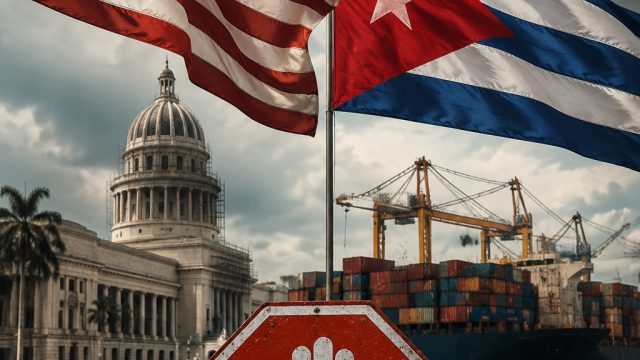
The United States has launched a new round of sanctions targeting specific Cuban companies, a move that significantly impacts the already fragile economy of the island nation. This development comes as Cuba grapples with severe economic challenges, including high inflation and shortages of essential goods. The timing of these sanctions has raised eyebrows, especially given the recent series of protests in Cuba calling for reform and economic relief.
The sanctions were announced by the U.S. Department of the Treasury and focus on state-run enterprises that have been described as key players in the Cuban economy. These companies are believed to play a significant role in a variety of sectors, including tourism and commerce, which have been the backbone of Cuba's economy. The recent actions are a part of a broader strategy to pressure the Cuban government to make democratic reforms and address ongoing human rights violations.
Cuba's economy has been under severe stress for several years, intensified by the COVID-19 pandemic, which decimated the tourism sector. According to reports, many citizens are currently facing food shortages and skyrocketing prices, leading to increased public dissatisfaction. The U.S. sanctions could restrict the flow of foreign investments and exacerbate these economic woes, leading to further instability on the island.
As of today, the economic indicators look bleak for Cuba:
The Cuban government has condemned the new sanctions, labeling them as an attempt to destabilize the country. Officials have stated that these measures will only serve to deepen the suffering of the Cuban people, who are already coping with the fallout from a struggling economy. Moreover, they have called on the international community to oppose what they term "economic coercion."
The reaction from other countries has been mixed. Some nations, particularly those that have historically supported Cuba, view the sanctions as unjust and counterproductive. They argue that such actions do not bring about meaningful change and only serve to harm the Cuban populace. Conversely, U.S. allies have generally supported the sanctions as a legitimate means of encouraging reform.
The future of Cuba's economy remains uncertain as sanctions take effect. Experts warn that if the situation continues to worsen, it could lead to increased migration as citizens seek better opportunities abroad. The U.S. strategy appears aimed at pressuring the Cuban government, but whether this will yield positive change remains to be seen.
As the U.S. enforces new sanctions aimed at Cuban enterprises, the implications for the island’s economy are profound and potentially catastrophic. The move underscores a critical moment in U.S.-Cuba relations, with the future of the Cuban economy hanging in the balance. Stakeholders both in Cuba and abroad will be watching closely to see how the situation unfolds, as the repercussions of these sanctions will be felt for generations.

Supplier Relationships: The Ke
Learn how to build strong supp...(89 ) viewsTime:2026-07-10
Urgent Action Needed to Combat
Discover the latest updates on...(171 ) viewsTime:2026-07-10
Understanding the Complexities
Delve into the complexities of...(145 ) viewsTime:2026-07-10
Exporting Strategies for Small
Explore effective exporting st...(53 ) viewsTime:2026-07-10