We all know that steamed buns are a relatively common type of pasta. They can be made in many ways, have rich flavors, are soft and delicious, and are very popular among people. Many people steam steamed buns and eat them at home. Many people put parchment paper when steaming steamed buns. So what can I use instead of parchment paper when steaming steamed buns? Let’s take a closer look below!
Generally when we steam the steamed buns, if we want to make them more delicate and the bottom looks good, we can put a layer of oil paper on the bottom. Because when we steam steamed buns at home, we usually use iron steaming trays. When we make them, we may feel that they are not beautiful because there are countless small holes on them, so this layer of oil paper is still very useful.
The oil paper inside is somewhat similar to the oil paper used for paper barbecue. Applying a little more oil can prevent sticking to the pan and keep the bottom relatively intact. After adding oil paper in this way, the steamed buns taste really good.
We can use the steaming cloth on the steaming curtain instead. Our older generation is not very professional when steaming steamed buns. The steamed buns are made with professional oil paper, but the steamed buns are relatively complete and attractive. At that time, steaming curtains were used, so it was no problem to add a steaming curtain when we were making it. However, we also need to deal with this steaming curtain in advance. Apply a layer of cooking oil on the curtain, so that the steamed buns will become larger even if you wait for them to be steamed. However, when we make the steamed buns, because the cooking oil is smeared on the steaming cloth, the steamed buns will not go into the steaming cloth after rising, so we do The steamed buns that come out are guaranteed to be very complete. The steamed buns produced in this way not only have a good-looking style but also ensure a better baking effect, and the bottom is also relatively complete. Generally, this method is used when steaming steamed buns at home.
In fact, there are some things that can replace oil paper, which also play the same role and are the most natural. They are lotus leaves, corn leaves, cabbage leaves and other non-toxic plant leaves.
When steaming steamed buns, there is no oil paper, and the above leaves are spread on the steamer. The effect is the same, and some will leave a fragrance on the steamed buns. However, these leaves must be cleaned to prevent pesticide residues.
If it is inconvenient to lay these leaves directly on the steamer, you can scald them with hot water first, or boil them. Then, according to the size of the steamer, cover the steamer with leaves, and then put the steamed buns to be made on top. These leaves are disposable and cannot be reused for hygiene reasons.
Another method is to apply cooking oil directly on the steamer, because the steaming cloth needs to be coated with a thick layer of cooking oil and it needs to be spread evenly. This will produce the best steamed buns, but if you directly place the steamed buns on the steamer and then apply a layer of cooking oil on the steamer, you can still achieve this effect and the taste will still be very delicious. Therefore, the steamed buns made in this way are very good in terms of style and effect.
1. Everyone knows that when we steam steamed buns, the first step is to knead the dough. Then when kneading the dough, we need to add yeast. Just follow the amount on the yeast packaging bag. Generally, 5 grams of yeast can be mixed with one to two kilograms of flour. Mixing the dough with warm water is more conducive to fermentation. First, melt the yeast in warm water. After stirring evenly, add the dough and start kneading it. In many cases, people directly knead the yeast into the dough. If you are a veteran of making steamed buns, you can do this. If you are a novice, it is recommended to melt it first, because generally for novices, if the dough is kneaded unevenly, it will also affect the quality of fermentation and thus the taste of the steamed buns.
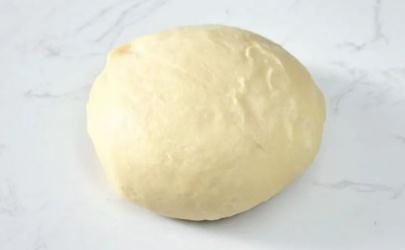
2. After we have made the dough, the next step is to knead it. The kneading process is very important. We have to knead hard and hard, and then knead for a longer time to get out all the bubbles inside after the yeast has fermented. Knead until the surface of the dough is very smooth.
3. After kneading the buns, you need to continue to proof them for ten minutes before putting them in the pot for steaming. Do not skip this step.
4. Steam the steamed buns in the pot under cold water. After the pot is boiled, steaming usually takes 25 minutes. The time can be changed according to the size of the steamed buns. After steaming, simmer for five minutes before lifting the pot to prevent the steamed buns from collapsing.
1. When you steam the steamed buns, if the dough seems to be rising but not yet, you can dig a small hole in the center of the dough, pour in a small cup of white wine, and wait for 15 minutes before the dough will rise.
2. If there is no yeast powder when making dough, honey can be used instead of yeast powder. Add about 20 grams of honey to every pound of flour. After the dough is kneaded, cover it with a damp cloth and let it rise for 5 hours. The steamed buns made by using honey instead of yeast powder are soft, fragrant and sweet in the mouth.
3. If it is winter and the indoor temperature is low, it will take a long time for the dough to rise. Then add some sugar during fermentation, and the rising time will be shortened a lot.
4. If you want to check whether the amount of alkali is just right, you can cut a piece of dough. If there are holes the size of sesame seeds on it and they are even, it means the amount of alkali used is just right.
5. If the steamed buns turn yellow due to the addition of too much alkali, you can pour 100 grams of vinegar into the water when steaming the buns, put the steamed buns into the pot and steam them for 10 minutes, and the buns will turn white.
6. When you steam the steamed buns, put a little salt water into the flour to make the steamed buns soft and white!

Supplier Relationships: The Ke
Enhance your B2B trade success...(175 ) viewsTime:2026-07-12
Unlocking Global Markets: The
Explore the emerging trends in...(68 ) viewsTime:2026-07-12
Navigating Trade Regulations i
Learn how to navigate complex ...(132 ) viewsTime:2026-07-12
B2B E-commerce: Transforming t
Understand how B2B e-commerce ...(44 ) viewsTime:2026-07-12