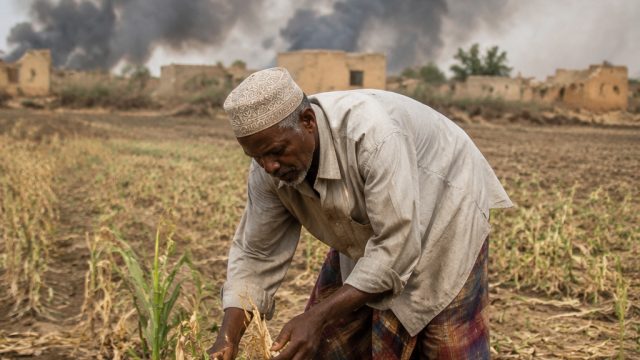
The ongoing turbulence in regions like the Middle East continues to send ripples through the global agricultural sector. Farmers in developing countries are experiencing unprecedented challenges as conflicts disrupt supply chains and inflate prices for essential resources. The situation is dire, demanding urgent attention from policymakers and aid organizations.
Conflicts such as the ongoing tensions in Iran have far-reaching impacts that extend beyond their geographical borders. Nations dependent on imported fertilizers and fuel are particularly vulnerable. For example, countries like Ivory Coast, which rely heavily on imports to sustain their agricultural activities, are grappling with surging costs that threaten food security.
The effects of inflation are particularly harsh on smallholder farmers who lack the financial resilience to absorb these costs. For many, this means a choice between investing in necessary inputs or providing basic sustenance for their families.
Farmers in various developing nations face similar predicaments, each with unique ramifications influenced by their local contexts.
In Ivory Coast, prices for staple goods are climbing, creating a precarious situation for farmers and consumers alike. The demand for crops such as cocoa and coffee is high, but rising costs of production threaten to squeeze profit margins. With limited access to affordable fertilizers, farmers are forced to reduce their planting areas, impacting overall yields.
Beyond Ivory Coast, other countries in Africa are also experiencing similar pressures. For instance, farmers in Ethiopia and Ghana are struggling with increased prices for both seeds and fertilizers, exacerbated by supply chain disruptions stemming from global conflicts.
Despite these challenges, some countries are seeking innovative solutions to mitigate the impact of inflation and conflict on farming. Embracing technology, diversifying crops, and exploring alternative resources are becoming key strategies.
By leveraging technology, farmers can enhance their productivity and resilience against market fluctuations driven by global unrest.
Governments and international organizations play a crucial role in supporting farmers during these crises. Policies aimed at stabilizing prices and ensuring access to resources are vital. Furthermore, the following measures could help alleviate the burdens on farmers:
By taking decisive action, governments can help protect farmers from the worst effects of global conflicts.
The interconnectedness of global conflicts and agriculture cannot be ignored. Farmers in developing nations are on the frontline, facing the consequences of geopolitical unrest. It is imperative for stakeholders at all levels—from governments to NGOs—to prioritize agricultural support systems. By addressing the root causes of inflation and ensuring access to essential inputs, we can stabilize food supplies and help farmers thrive in challenging conditions. The time to act is now, as the future of food security hangs in the balance.

Olise and Upamecano Propel The
Discover how Olise and Upameca...(103 ) viewsTime:2026-07-10
The Rise of E-commerce in B2B
Discover how e-commerce is rev...(139 ) viewsTime:2026-07-10
How B2B Wholesale Platforms ar
Investigate how B2B wholesale ...(159 ) viewsTime:2026-07-10
Avissawella Hospital Earns Pre
Discover how Avissawella Hospi...(43 ) viewsTime:2026-07-10