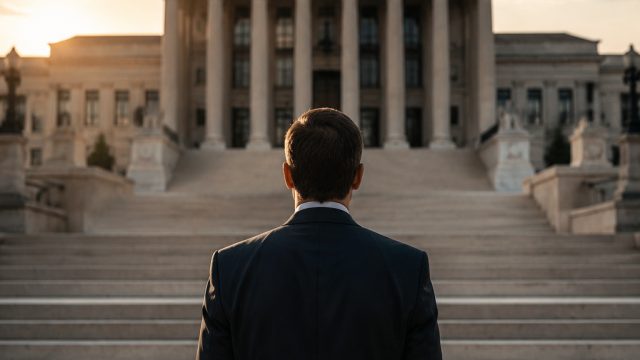
In an era where information is both abundant and often misleading, the issue of public trust has become more pertinent than ever. Across the globe, individuals are increasingly skeptical of traditional media and government institutions, which has prompted urgent discussions about restoring confidence in these foundational pillars of society. With various challenges facing democratic engagement, understanding how to effectively rebuild public trust is essential.
Trust serves as the cornerstone of healthy democracies. As misinformation spreads rapidly through social media channels and online platforms, public confidence in the media and governmental institutions is waning. The consequences are far-reaching, affecting everything from civic participation to the effectiveness of policy implementation. A populace unsure of which sources to trust can lead to disengagement, apathy, and divisiveness.
Media outlets hold a significant responsibility in shaping public perception. To regain trust, media organizations must prioritize integrity and transparency in their reporting. This involves:
By adopting these principles, media can work towards restoring faith among the communities they serve. When people see their news sources as reliable and dedicated to truth, engagement is likely to increase.
Restoring public trust is not solely the responsibility of media outlets. Communities must also play an active role in this process. Creating platforms for dialogue and discussion can bridge the gap between the public and institutions. Here are several strategies communities can employ:
When communities engage with institutions transparently, it creates a two-way street that encourages dialogues based on trust and accountability.
In today's digital age, leveraging technology to enhance communication is critical. Social media and digital platforms can serve as tools for transparency and engagement. By using these platforms effectively, institutions can:
Digital engagement, when done right, can help demystify the operations of institutions and bolster confidence in their work.
Moving forward, a collaborative approach involving government, media, and communities will be vital in restoring public trust. Here are key actions that can be taken:
By working together, stakeholders can create an environment where trust is nurtured and maintained.
Rebuilding public trust is a multifaceted challenge that requires active participation from all sectors of society. As we navigate this complex landscape, it is essential to recognize that trust is not merely given; it must be earned through consistent, transparent, and accountable actions. The journey to restoring public confidence begins today, and every individual has a role to play in shaping a future built on trust and engagement.

Olise and Upamecano Propel The
Discover how Olise and Upameca...(103 ) viewsTime:2026-07-10
The Rise of E-commerce in B2B
Discover how e-commerce is rev...(139 ) viewsTime:2026-07-10
How B2B Wholesale Platforms ar
Investigate how B2B wholesale ...(159 ) viewsTime:2026-07-10
Avissawella Hospital Earns Pre
Discover how Avissawella Hospi...(43 ) viewsTime:2026-07-10 Get ready for the Val di Fassa...