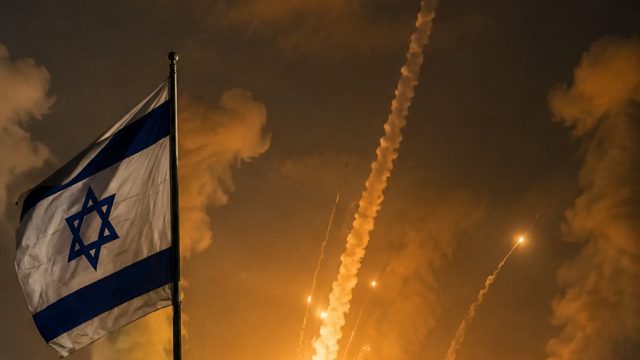
The geopolitical landscape surrounding Iran's nuclear ambitions has reached a boiling point, with Israel now declaring its readiness to act unilaterally. This development comes amidst increasing skepticism regarding the United States' approach to Iran, which Israeli officials have labeled as overly optimistic. With tensions rising, the implications for regional stability and international security are significant and warrant a closer look.
In recent statements, Israeli leaders have criticized the Biden administration's stance on Iran's nuclear program, describing it as "very naive." They argue that the current diplomatic efforts, including talks to revive the nuclear deal, fail to adequately address the risks posed by Iran's advancing nuclear capabilities.
Reports indicate that Iran has made substantial progress in its nuclear activities, raising alarms among its neighbors and global powers alike. Israeli officials stress that Iran's potential to develop nuclear weapons poses not only a direct threat to Israel but also destabilizes the entire Middle East.
Faced with what it views as an imminent threat, Israel is recalibrating its defense strategy. Prime Minister Benjamin Netanyahu has emphasized that Israel cannot rely solely on diplomatic solutions and may consider preemptive action if necessary.
While official details remain undisclosed, Israeli military analysts have discussed various strategies that could be employed to counter the Iranian threat:
The decision by Israel to act independently raises questions about the international community's response. The United States has reiterated its commitment to prevent Iran from acquiring nuclear weapons, but the effectiveness of its approach is under scrutiny.
Israel's willingness to take unilateral action could strain its historically close relationship with the US. If Israel proceeds without American backing, it could lead to a reevaluation of diplomatic ties and military cooperation.
Moreover, Israel's actions could have ripple effects throughout the Middle East, potentially triggering a wider conflict involving multiple nations. Countries like Saudi Arabia and the UAE are closely monitoring the situation, as they have vested interests in the balance of power in the region.
The situation surrounding Iran's nuclear program is at a critical juncture, with Israel asserting its intention to act independently amidst doubts about US policy. The potential for military action raises alarm bells not just for the Middle East but for global security as a whole.
As the world watches closely, the coming weeks and months will be crucial in determining the future of the region and the international order. Stakeholders must remain vigilant and consider all potential outcomes as tensions continue to escalate.

Supplier Resilience: Strategie
Learn how suppliers can build ...(180 ) viewsTime:2026-07-10
Exploring Trade Agreements: Im
Examine how trade agreements a...(143 ) viewsTime:2026-07-10
Maximizing Profits: Wholesale
Learn how suppliers can maximi...(136 ) viewsTime:2026-07-10
The Future of Global B2B Trade
Discover the future trends in ...(64 ) viewsTime:2026-07-10