The International Criminal Court (ICC) finds itself at a critical juncture as the Chief Prosecutor's role is compromised by US sanctions, preventing him from participating in a vital vote scheduled for next week in New York. This unprecedented scenario has significant ramifications for international law and the ICC's legitimacy.
Sanctions imposed by the US government have effectively barred the ICC Chief Prosecutor, Karim Khan, from traveling to the United States. This situation is particularly concerning as it not only impacts Khan personally but also casts doubt on the functionality of the ICC in carrying out its mission of holding war criminals accountable.
The Chief Prosecutor of the ICC plays a crucial role in investigating and prosecuting individuals for serious international crimes, including genocide and war crimes. Established in 2002, the ICC is the first permanent international court to prosecute such offenses. The effectiveness of the ICC hinges on the cooperation of member states, which is now in jeopardy due to the US sanctions.
The upcoming vote is significant as it determines whether Khan will continue in his role as Chief Prosecutor. The repercussions of this decision extend beyond Khan himself; they could redefine how the ICC interacts with global powers and influence its operational capacities. If Khan is removed, it may signal to other countries that compliance with international law is optional, undermining the very principles the ICC stands for.
Reactions to the situation have been mixed across the international community. Some member states have voiced their support for Khan, emphasizing the importance of an independent judiciary. Others, aligned with US foreign policy, may view the sanctions as justified given the ICC's perceived overreach in political matters.
The fate of the ICC's Chief Prosecutor not only impacts Khan's career but also raises questions regarding the future of international justice itself. The ICC has been under scrutiny for its effectiveness, and this incident could deter potential cooperation from other nations, particularly in Southeast Asia, where the ICC's influence remains tenuous.
In regions such as Indonesia, the public's trust in international legal institutions is crucial for future collaborations. The outcome of this vote could influence how Southeast Asian countries perceive and engage with international legal frameworks, especially in light of growing geopolitical tensions.
As the vote approaches, it is imperative to keep an eye on the reactions from various stakeholders. The global community must grapple with the broader implications of this situation and strive for a resolution that upholds the rule of law. The ultimate question remains: can the ICC maintain its authority and credibility in an increasingly polarized world?
The upcoming vote on the ICC Chief Prosecutor is not just a procedural matter; it strikes at the heart of international justice. As the world watches, the implications of this decision will reverberate far beyond New York, potentially reshaping the landscape of global accountability and legal integrity.

How to Choose the Right Suppli
Tips and considerations for se...(153 ) viewsTime:2026-07-24
Understanding Wholesale Distri
Gain insights into wholesale d...(40 ) viewsTime:2026-07-24
Supreme Court Addresses Rights
Learn about the Supreme Court‘...(99 ) viewsTime:2026-07-24
ICC Chief Prosecutor Faces Unp
The ICC Chief Prosecutor‘s fat...(72 ) viewsTime:2026-07-24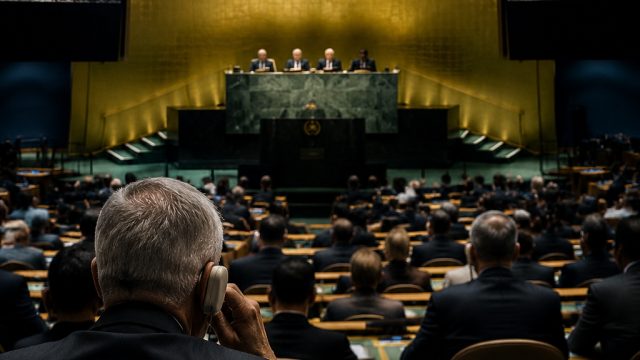 Discover how the UN‘s evacuati...